How to Find a Water Leak
The meter is where any hunt for a leak begins, because it only ticks when water passes through it. If nothing in the house is running and the numbers still climb, water is getting out somewhere on the property.
If we're late, $100 comes off your bill

- Licensed and InsuredEvery job done by a licensed plumber. QBCC No: 15024607
- Fixed Quote FirstFlat-rate pricing, agreed before any work starts
- Lifetime Labour WarrantyBacked by our Fix-It-or-It's-Free guarantee (T&Cs apply)
- $0 Call-Out FeesNo extra charge for nights, weekends or public holidays
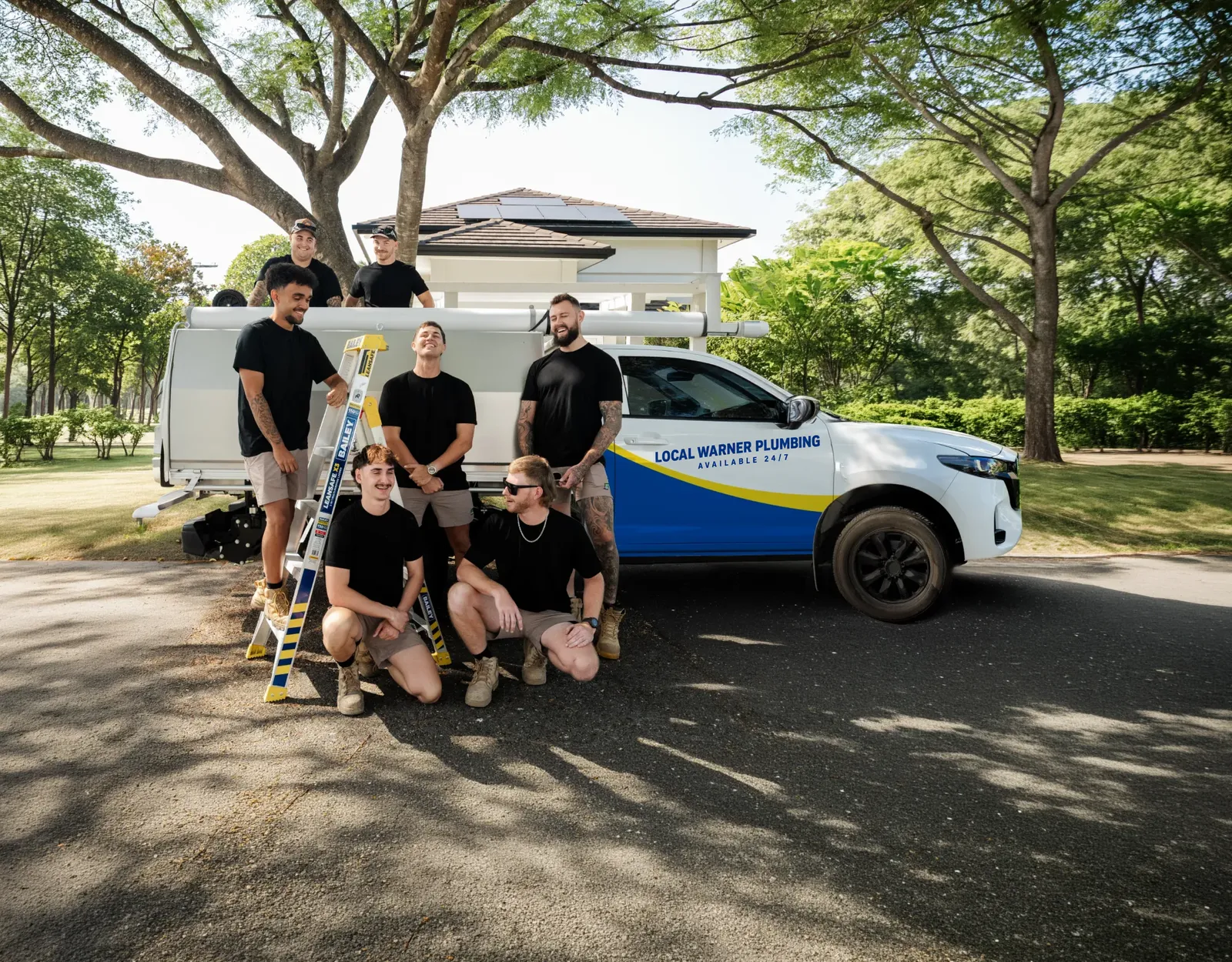
Here is how to find a water leak in a Warner home, from the meter box to the back boundary. A bill that jumps while your routine has not changed is the usual first clue, and pipes laid through the estate era from the mid-1990s onward give out quietly more often than loudly.
Rule a Leak In or Out at the Meter
With every outlet and appliance off, record the meter, wait an hour or more with no water drawn, then look again: movement means a leak exists on the property.
- Switch off all the taps, the hoses, the washing machine, the dishwasher and any irrigation line, and leave the stop tap at the meter open.
- Photograph the digits, the small red ones included, so nothing rides on memory.
- Wait at least one hour using no water anywhere on the block, then compare the two readings.
A meter that sits dead still across that hour rules a leak out for now. A meter that moves hands the hunt to a licensed plumber, and which side of the boundary a fault sits on is a question our leak detection page takes up in full.
One thing worth knowing first: Unitywater does run a program that flags high use and contacts customers where it can, but its own policy says not to bank on that. Reading the meter yourself is the owner's job.
Room by Room Inside the House
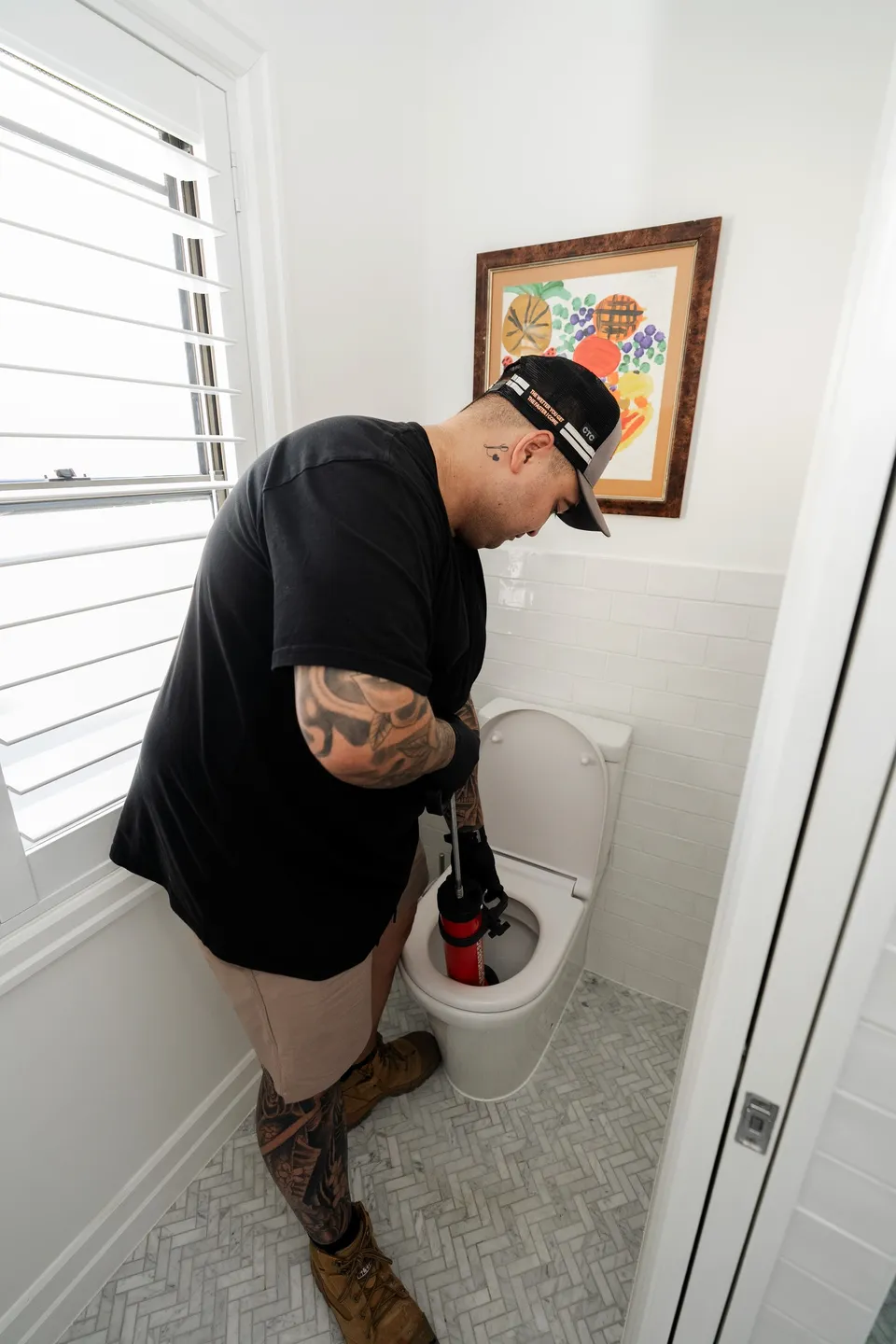
Indoors, work through cisterns first, then taps and showers, then anything with a water line, then the surfaces themselves.
Toilets
Squeeze a few drops of colouring into the cistern, and leave it unflushed. If colour appears in the bowl, the cistern is leaking. Flush once you are done, as the dye leaves no mark on ceramic.
Taps and showers
Confirm every one sits fully off with no drip, the bath included.
Appliances
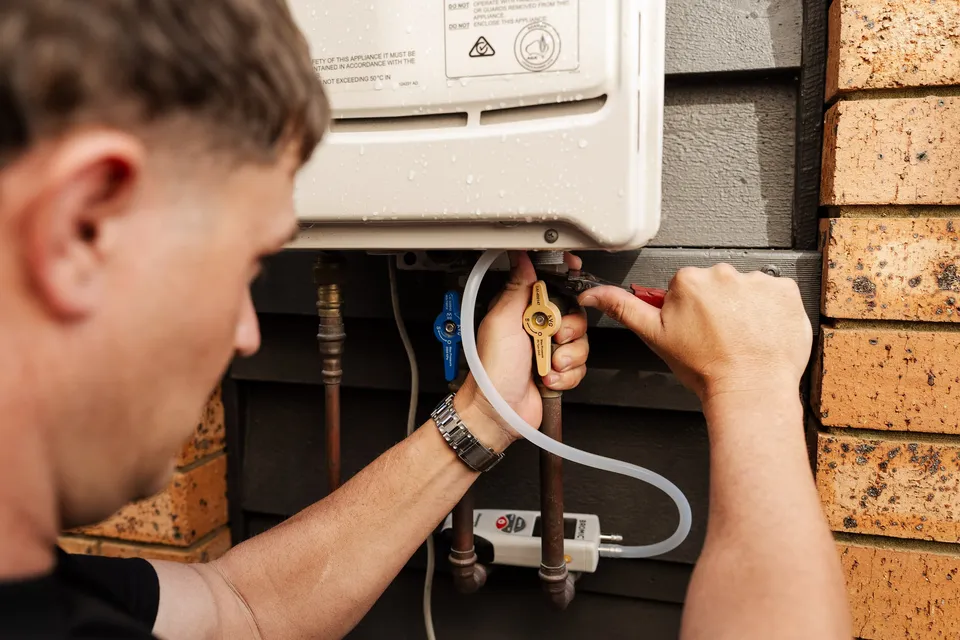
Look for seepage at the joins on a fridge with its own water feed and on the hot water unit.
Surfaces
Damp patches or stains on plaster, a stale musty odour, finishes lifting or bubbling, and one warm spot on the floor all point to hidden water.
The warm floor spot earns its place on the list because a hot water pipe failing under a slab often shows up as heat long before it shows up as water. On a storage tank past its mid-1990s design life, treat any sign near the unit as urgent.
Taps, Tanks and Wet Ground Outside
Outside, run through the garden taps, any rainwater tank, then the lawn and paving.
Garden taps and hoses
A slow drip at an outdoor fitting wastes thousands of litres across a season, and one on a sunny wall can go unseen for months.
Rainwater tanks
Confirm the tank is not refilling itself from the town supply. A failed solenoid or worn internal part can keep adding mains water, and a licensed plumber examines that valve.
The ground
Soggy spots, grass running greener than the lawn around it, and pavers that have gone uneven all point to a burst below the surface.
Warner's reactive clay swells after rain and shrinks in dry spells. That movement works pipe joints loose over the years, so a buried failure here is no rare event.
If the property has a pool, one bucket settles the question. Fill it with pool water, set it on a step so the two levels line up, and mark each level. Leave the pool unused for 24 hours, then compare: a pool that drops more than the bucket points to a leak, and equal drops are just evaporation.
Who Fixes the Leak You Find
The findings set the next step: a drip at a fixture names its own cause. A meter that keeps moving after a clean sweep points to a buried leak below ground, under a driveway or inside a wall.
- The street main and the meter belong to Unitywater, and every pipe from the meter onto the block belongs to the owner to maintain, buried runs included.
- Fixing a pipe that has cracked or split is minor work under QBCC rules, so a licensee handles it with no permit and no Form 4.
- The QBCC's short list of unregulated tasks runs only to tap washers and jumper valves, cistern washers and filter cartridges. An owner with the skills may do those.
- Anything past that short list, including every repair on the pipe itself, is licensed territory.
Water escaping out of sight below a lawn or behind a wall adds up to thousands of litres a day, and the first sign is often the bill or the damage. Once your hunt points anywhere, call (07) 3524 7137 and we take it from there.
Hidden Leak Questions We Answer
Call (07) 3524 7137How can I find a hidden water leak at home?
Start at the meter with every tap and appliance switched off, then hunt room by room, dye-testing toilets and looking for damp on the walls and floors. Finish outside at the garden taps, the rainwater tank and any soggy ground. A licensed plumber traces whatever the hunt leaves behind.
How long should I wait when checking my water meter?
At least one hour, with no water drawn anywhere on the property the whole time. That is the waiting period Unitywater names for homes on its network, and a shorter watch can miss a slow leak. Read the meter before the wait and again after it.
Who is responsible for a hidden leak in Warner?
The property owner. Unitywater's responsibility stops at the meter, so the owner maintains every pipe and fitting from there inwards, concealed ones included. Call (07) 3524 7137 and we will trace and repair one on the property side.
Can I fix a hidden leak myself?
No. Fixing broken pipework is classed as minor work, which Queensland law reserves to a licensee, with no permit and no Form 4. The QBCC's unregulated list covers only tap and cistern washers, jumper valves and filter cartridges, so everything else needs a licensed plumber.

Talk to Us About What the Meter SaidWe'll call you back.
Call (07) 3524 7137 to book a plumber in Warner. We're available 24/7, with $0 call-out fees, flat-rate pricing and same-day where we can.
To claim your $0 call-out fee, call (07) 3524 7137 today.