Rainwater Tank Installation in Warner
Plumbing tank water into the house is the real work behind rainwater tank installation in Warner. The tank itself is the easy part. The jobs we get on the Warner run connect stored rainwater to cisterns, laundry taps and garden points, and a licensed plumber signs off every one of those connections.
If we're late, $100 comes off your bill

- Licensed and InsuredEvery job done by a licensed plumber. QBCC No: 15024607
- Fixed Quote FirstFlat-rate pricing, agreed before any work starts
- Lifetime Labour WarrantyBacked by our Fix-It-or-It's-Free guarantee (T&Cs apply)
- $0 Call-Out FeesNo extra charge for nights, weekends or public holidays

Parts of a Tank Plumbing System
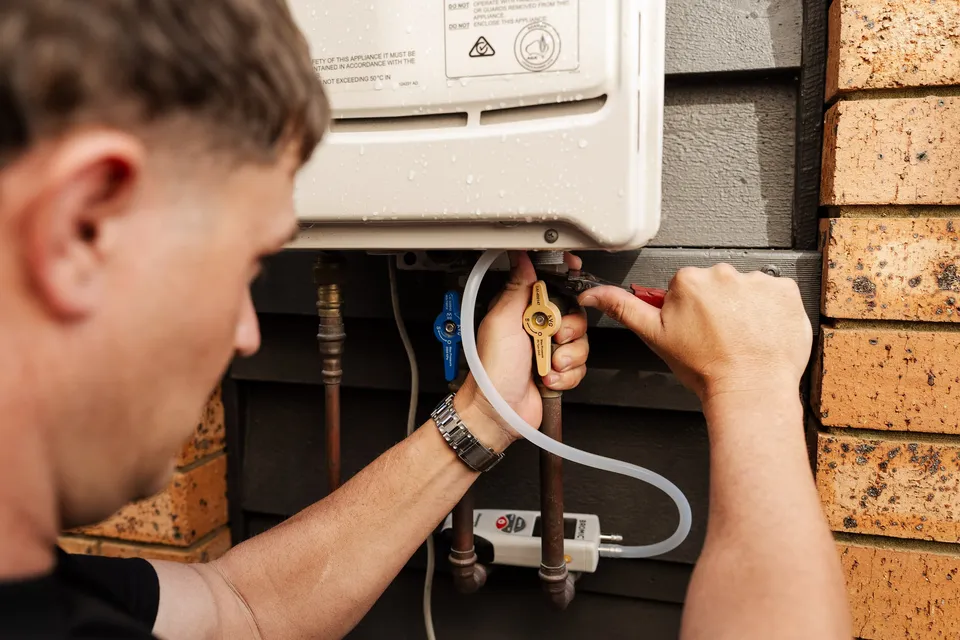
The path is simple: roof, diverter, screen, tank, then the house. Rain comes off the roof, the diverter traps the dirty first wash, a screened inlet admits the cleaner flow, and the outlet feeds cisterns, laundry and garden taps from there.
A licensed plumber does the connection, and the compliance sits on the licence. These are the parts that matter:
The roof catchment
sends rain to the tank through the diverter and inlet.
The first flush diverter
keeps the opening wash of roof water out of the tank, so debris stripped from the roof never reaches the stored water.
Mosquito-proof screens
seal every opening, overflows included, in mesh of 1 mm or less, in brass, copper, aluminium or stainless steel.
The plumbed outlet
runs to cisterns, the washing machine's cold inlet and garden points, kept apart from any drinking line.
Council Rules for Tanks in Warner
Warner sits in the City of Moreton Bay, and that council handles tanks through its building and plumbing approval processes, so it's the first call before any tank is ordered. The council can also set placement rules, and in some areas a minimum distance from a side boundary applies.
What to ask about:
Approvals
the tank passes through the council's building and plumbing sign-off before the first pipe is cut.
Position
where the tank sits on the block can be regulated, so check before the delivery truck arrives.
Extras that may apply
stormwater connections and the fitting of a first flush diverters.
We look after the plumbing side of the paperwork, and our water pipe repairs page covers the supply runs in and out.

Safe Uses of Tank Water Around the House
Tank rainwater suits three jobs without extra treatment: flushing toilets, feeding a washing machine's cold inlet, and watering gardens and lawns. Those uses present a low risk of disease, which is why the rules allow them. Drinking, personal hygiene and food preparation are town-water jobs, and tank water is for drinking only where town water isn't available.
If you want filtered rainwater at the sink, that side sits on our water filter installation page rather than the tank itself. Plenty of acreage owners here run a tank plus a good filter, and it starts with a compliant connection.
Tank Jobs on the Acreage Edge
Warner was Pine Rivers potato country before estate building started in the mid-1990s, and rural-residential acreage still fringes its edges. That's where most tank work sits, and the big sheds out there have roof area worth catching.
Local averages run near 1109 mm of rain a year, so a plumbed tank pays for its pipe through every storm season. Two acreage details shape the job. Tall native trees near those boundaries keep roots hunting moisture into estate-era drains, so we set tank overflows and any required stormwater tie-ins well clear of the root zones.
Tank Maintenance Checks and Their Timing
Clean the first flush device every 3 months, inspect the screens, flap valves, roof debris and animal access every 6 months, and check for sediment every 24 to 36 months. Let the mosquito screening lapse and state health guidance puts the penalty at up to 3 penalty units on the spot.
The checks in order:
First flush
open the diverter and rinse it out every three months.
Screens and access
check the mesh, flap valves, roof catchment and any animal gaps every six months, and fix rips or holes straight away.
Sediment
every second or third year, look through an opening for built-up sludge, then siphon it away or drain the tank fully.
One Unitywater check sits outside the tank. A tank that tops itself up from the town main can hide a failed solenoid, and mains water poured into a tank through faulty plumbing stays off the utility's concealed-leak adjustment. Our leak detection work covers that valve and line check.
How We Connect Your Tank
- 1

Tell us what's happening
Call (07) 3524 7137 or send the form with a few details about the problem in Warner. A clear description helps us bring the right parts.
- 2

We measure up and price the run
We size up the tank, screens and outlet lines, check the council's position rules against where everything sits, and measure the pipe run to your cisterns, washer or garden points.
- 3

Approve a fixed price
You get a fixed quote before any work starts, with flat-rate pricing and no hidden fees. Nothing goes ahead until you say yes.
- 4
Pay when it's finished
Pay by card or EFTPOS on site once the job's done, or ask about Fix now, pay later.
Plumbing job in Warner?
$0 call-out fees, available 24/7, and same-day where we can.
Rainwater Tank Questions We Answer
Call (07) 3524 7137Can I connect a rainwater tank to my toilet myself?
No, that connection is regulated plumbing work in Queensland, and the law reserves it for a licensed plumber. The same applies to a tank feed for the cold tap on your washing machine. We do the job and lodge the paperwork, so the connection sits properly on your home's record.
What can Warner households use tank rainwater for?
Toilets, laundry and the garden. Stored roof rainwater can flush toilets, feed a washing machine's cold inlet and water gardens and lawns without extra treatment, because those uses present a low risk of disease. Drink tank water only where town water isn't available, since the town supply is safest and most reliable.
What is a first flush diverter and do I need one?
The diverter traps the first wash of roof water, so debris stripped off the roof never reaches your stored supply. On a Moreton Bay block the council may require one as part of the approval, so we confirm the rule before fitting anything.
How often should I check a rainwater tank in Warner?
Rinse the diverter out each quarter, check the mesh screens, flap valves, roof and animal entry every 6 months, and inspect for sludge once every 2 or 3 years. Upkeep is the owner's job, but we talk you through the schedule at handover.
How do I deal with sludge at the bottom of my tank?
Look inside on the same 2 to 3 year schedule; if sludge coats the floor, draw it off with a siphon or drain the tank completely for a clean-out. Any mosquito screens should come out at the same time for a scrub, since they're fitted to be removable.

Call Local Warner Plumbing About Your TankWe'll call you back.
Call (07) 3524 7137 to book a plumber in Warner. We're available 24/7, with $0 call-out fees, flat-rate pricing and same-day where we can.
To claim your $0 call-out fee, call (07) 3524 7137 today.